Fort Lee Embroidery Font
A Timeless Choice for Sophisticated Embroidery Projects
As a designer who’s stitched countless custom projects, I approach each embroidery font with the same care I’d give to a client’s final product. The Fort Lee Embroidery Font caught my eye not just for its aesthetic, but for its versatility and practicality in real-world applications. Whether you're crafting a custom tote bag, a personalized sweatshirt, or a holiday gift, this font offers a refined touch that feels both classic and modern.
The First Impression: A Balance of Elegance and Functionality
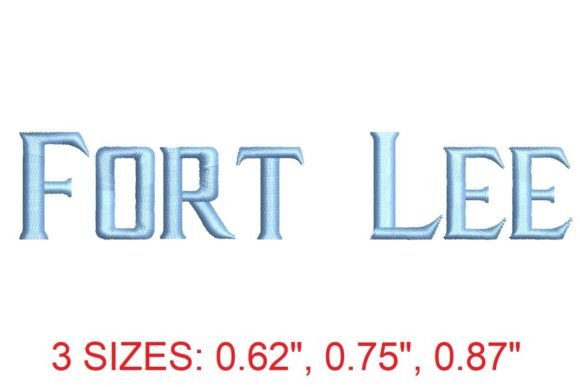
The first thing that strikes me about Fort Lee is its clean, structured look. The letterforms are well-proportioned, with subtle serifs that add character without overwhelming the design. It's the kind of font that feels intentional—each stroke and curve contributes to a cohesive visual language. This makes it ideal for monograms, brand logos, and even small details like names on baby clothes or embroidered patches.
What sets Fort Lee apart is its adaptability. It works equally well as a bold statement piece or a subtle accent. The spacing between letters is generous enough to avoid overcrowding, which is crucial when working with smaller hoop sizes or intricate designs. This balance of elegance and functionality makes it a strong candidate for both personal and commercial use.
Real-World Applications: Where Does Fort Lee Shine?
When I imagine using Fort Lee in a real project, the first scenario that comes to mind is a custom embroidered tote bag. The font’s clean lines pair beautifully with a simple, minimalist design, making it perfect for a back-to-school project or a casual gift. It also lends itself well to holiday embroidery, especially for items like tea towels or pillow covers where a touch of sophistication can elevate the overall look.
For apparel, Fort Lee works particularly well on sweatshirts and t-shirts. Its structure holds up well under stitch density, and the clarity of each letter ensures that the final result remains legible even after multiple washes. I’ve seen similar fonts struggle on stretchy fabrics, but Fort Lee maintains its shape and integrity, which is a big plus for those working with knits or cotton blends.
Another area where Fort Lee excels is in custom monogramming. Whether it's for a wedding gift, a baby item, or a boutique product, the font’s refined style adds a sense of professionalism and thoughtfulness. It’s the kind of design that customers will notice and appreciate, making it a great fit for Etsy sellers and small shop owners looking to stand out in a competitive market.
Where to Use Fort Lee Carefully: Avoiding Common Pitfalls
While Fort Lee is versatile, there are situations where it might not perform as well. For instance, on very small hoop sizes or dense fabric textures, the design can become cramped or lose detail. This means it’s important to test the font on scrap fabric before committing to a finished product. Similarly, on dark or textured fabrics, the contrast between thread color and background can affect visibility.
Curved surfaces like caps or hats also require careful consideration. While Fort Lee maintains its structure, the curvature of these items can sometimes distort the design slightly. Using the right stabilizer and adjusting stitch density can help mitigate this issue. Additionally, tiny lettering or dense stitch areas may not render as clearly, so it’s worth checking how the design looks in black and white mockups before proceeding.
Design Impact: Visual Appeal and Customer Trust
Visual appeal is key in handmade products, and Fort Lee delivers on that front. Its clean, sophisticated look enhances the overall presentation of any project, whether it’s a personalized gift or a boutique-branded item. Customers often associate well-designed embroidery with quality, and Fort Lee helps reinforce that perception.
From a business perspective, the font contributes to brand consistency. When used across multiple products, it creates a cohesive visual identity that strengthens customer trust. This is especially valuable for digital product sellers and craft businesses aiming to build a recognizable brand presence.
Practical Designer Notes: What to Consider Before Use
Before using Fort Lee in a real project, I recommend testing the design on scrap fabric to assess stitch clarity and overall appearance. Checking thread color contrast against the fabric background is also essential, as this affects readability and visual impact.
Reviewing stitch density is another important step. Too dense, and the design may feel cluttered; too sparse, and it could appear incomplete. Confirming the correct hoop size is crucial, as using an improperly sized hoop can lead to distortion or uneven stitching.
Finally, ensure that the design is suitable for both personal and commercial use. If you plan to sell finished items or digital products, confirm licensing terms to avoid legal issues. These steps help ensure that your final product is not only beautiful but also professional and legally sound.
Conclusion: A Reliable Font for Real Projects
Fort Lee Embroidery Font is more than just a design—it’s a tool that empowers creators to deliver high-quality, visually appealing projects. Whether you’re crafting a custom tote, a personalized gift, or a boutique product, this font offers the balance of style and functionality needed to succeed. With the right preparation and attention to detail, it can become a staple in your embroidery toolkit.